04, Jun 2025
PPIB Hosts Consultation on Net-Billing Transition
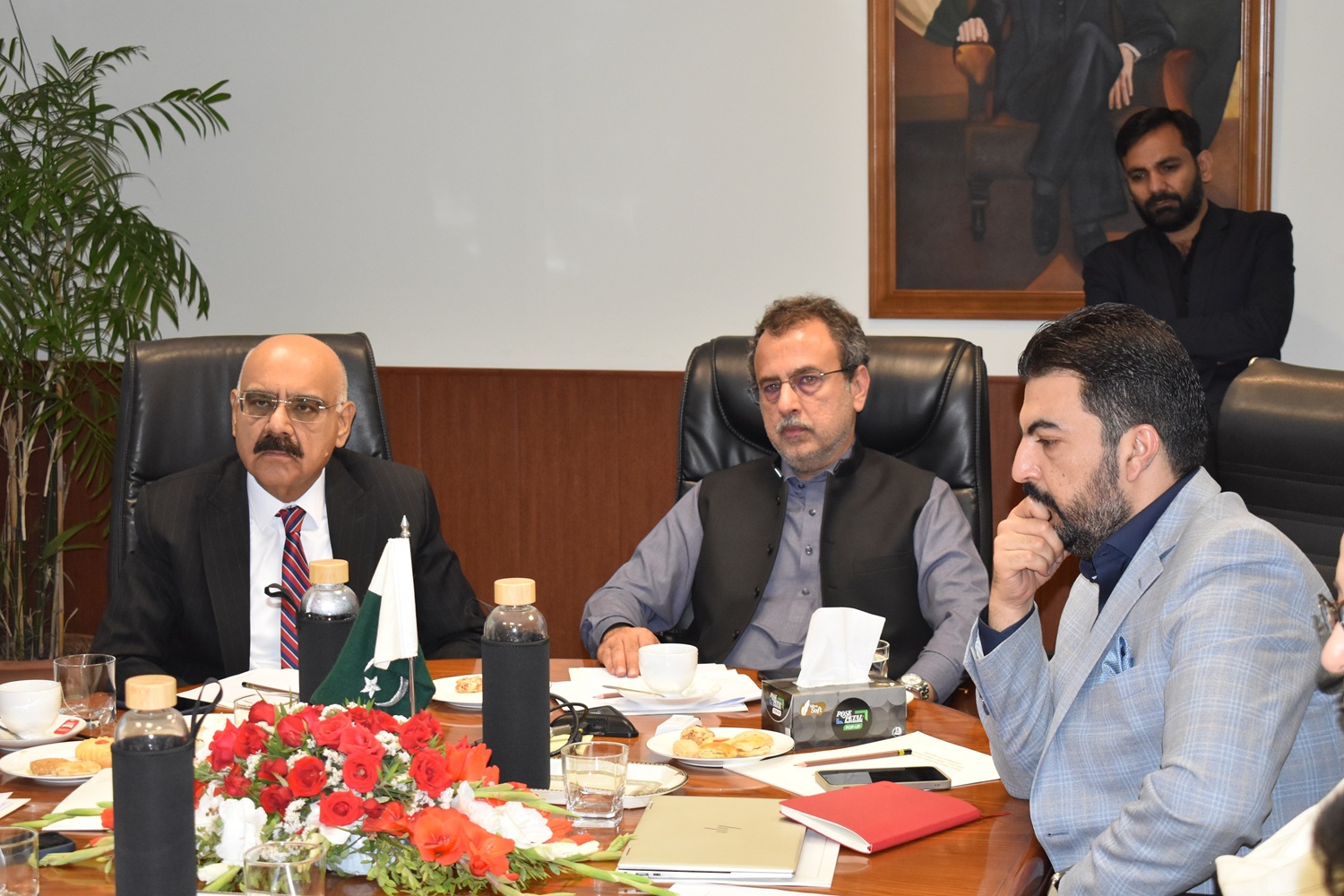
Islamabad, 4th June 2025: The Private Power and Infrastructure Board (PPIB), under the Ministry of Energy (Power Division), organized a comprehensive consultative session today to discuss the proposed policy shift from the current net-metering regime to a net-billing framework for distributed renewable energy systems in Pakistan.
The session was officially inaugurated by the Honorable Federal Minister for Power, Sardar Awais Ahmad Khan Leghari. In his opening remarks, he reaffirmed the government’s strong commitment to promoting the integration of renewable energy while maintaining grid reliability and protecting consumer interests. The Minister commended PPIB for successfully organizing such a significant event. He also expressed his gratitude to the participants and remarked that the government is exploring ways to evolve the current net-metering framework into a more efficient, transparent, and sustainable model.
Mr. Shah Jahan Mirza, Managing Director, PPIB delivered a detailed presentation outlining the problem statement and the rationale for the proposed transition. He explained the growing operational and financial challenges posed by the current net-metering structure, the international context of similar transitions, and PPIB’s role as a key facilitator in enabling a smooth and inclusive policy shift. His presentation set the stage for constructive dialogue by offering a comprehensive analysis of both the opportunities and implications associated with net-billing.
The interactive session featured open-floor discussions, where participants provided insightful feedback and raised pertinent considerations. Stakeholders appreciated the transparent and inclusive approach adopted by PPIB and the Ministry of Energy (Power Division), viewing the session as a positive step toward building consensus on a future-ready policy framework for distributed renewable energy.
The event brought together a wide range of key stakeholders including representatives from ministries, power sector experts, distribution companies, private sector investors, renewable energy developers, industry associations, academia, and civil society organizations. For broader participation, the event was also accessible virtually via Zoom.
Photo(s)